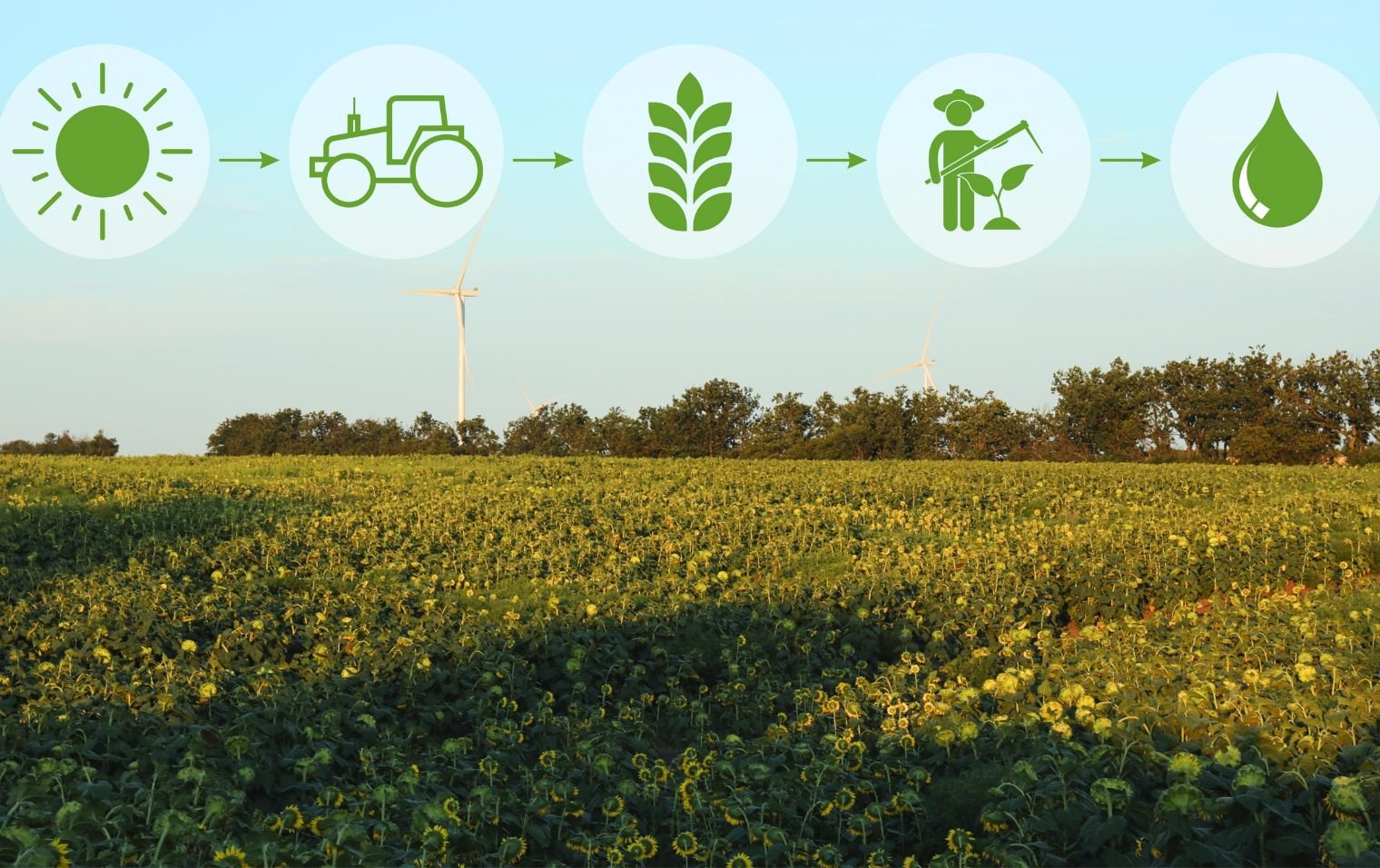
Agriculture is the backbone of human civilization, but with rising environmental challenges and increasing food demand, the way we grow our food must evolve. Sustainability in agriculture focuses on producing nutritious food while protecting the environment, supporting farmers, and ensuring long-term food security for generations to come.
Why Sustainable Agriculture Matters
Traditional farming practices, heavily dependent on chemical fertilizers and pesticides, have led to soil degradation, water pollution, and loss of biodiversity. Sustainable agriculture, on the other hand, emphasizes eco-friendly practices that restore soil health, conserve water, and reduce harmful emissions.
Key Principles of Sustainable Farming
- Chemical-Free Cultivation – Growing food without synthetic chemicals ensures healthier produce and safer ecosystems.
- Soil Health Management – Using natural compost, crop rotation, and cover crops to maintain fertility.
- Water Conservation – Efficient irrigation and rainwater harvesting to reduce wastage.
- Biodiversity Preservation – Encouraging mixed cropping and natural habitats for pollinators.
- Farmer Empowerment – Providing training, fair pricing, and access to sustainable inputs.
Benefits for Farmers and Consumers
- For Farmers: Reduced input costs, improved soil fertility, and access to premium markets.
- For Consumers: High-quality, traceable, and chemical-free food products.
- For the Planet: Lower carbon footprint, better water management, and healthier ecosystems.
The Way Forward
Sustainability in agriculture is not just a trend—it’s a necessity. By supporting small and marginal farmers, adopting organic inputs, and creating strong consumer-producer relationships, we can transform agriculture into a regenerative system that benefits everyone.
👉 Together, let’s make food production not only about feeding people but also about nurturing the planet.